


- Home
- A-Z Catalogue
- Products
- Valves
- Cetop
- Manual Directional Valves
- Proportional Valves
- Poppet Valves
- High-Speed Linear Servo Valves
- All High-Speed Linear Servo Valves
- Cetop 10 (NG32) Two Stage Type High Speed Linear Servo Valves – LSVHG-10
- Cetop 10 (NG32) Two Stage Type High Speed Linear Servo Valves – LSVHG-10 (With Fail-Safe)
- Cetop 8 (NG25) Two Stage Type High Speed Linear Servo Valves – LSVHG-06
- Cetop 8 (NG25) Two Stage Type High Speed Linear Servo Valves – LSVHG-06 (With Fail-Safe)
- Cetop 7 (NG16) Two Stage Type High Speed Linear Servo Valves – LSVHG-04
- Cetop 7 (NG16) Two Stage Type High Speed Linear Servo Valves – LSVHG-04 (With Fail-Safe)
- Cetop 5 (NG10) Direct Type High Speed Linear Servo Valves – LSVG-03
- Cetop 5 (NG10) OBE Type Direct Operated Linear Servo Valves – LSVG-03-EH
- Cetop 3 (NG6) OBE Type Direct Operated Linear Servo Valves – LSVG-01-EH
- Pumps
- Pressure control
- Flow Control Valves
- Pressure Control Valves
- All Pressure Control Valves
- Brake Valves
- Direct Relief Valve
- Low Noise Solenoid Controlled Relief Valves
- Low Noise Pilot Operated Relief Valves
- Pilot Operated Relief Valves
- Pressure reducing and relieving valves
- Pressure reducing and check valves
- Pressure control valves
- Remote Control Relief Valves
- Solenoid Controlled Relief Valves – BSG
- Solenoid Controlled Relief Valves – BST
- Unloading relief valves
- Check valves
- Environmental
- Valves
- Hydraulic Systems
- Power pack
- About Us
- Contact
- Blog

What is a Car Engine Stand and How Does It Work?
A car engine stand is an essential tool for automotive enthusiasts and professionals alike. It provides a stable platform for working on car engines outside of the vehicle. This handy device makes repairs and inspections much easier. When using a car engine stand, you can rotate the engine for better access. This convenience increases efficiency and minimizes strain on the body.
With various designs available, choosing the right car engine stand can be overwhelming. Each model offers different features, which can lead to confusion. Some people overlook the importance of stability and weight capacity. It's crucial to consider these factors before making a purchase. Without proper support, the work can become dangerous.
In most cases, a good car engine stand is a worthwhile investment. However, it's important to remember that not all stands are created equally. Some may not provide the necessary support for larger engines. Always assess your specific needs before buying. Making these critical decisions requires time and reflection.
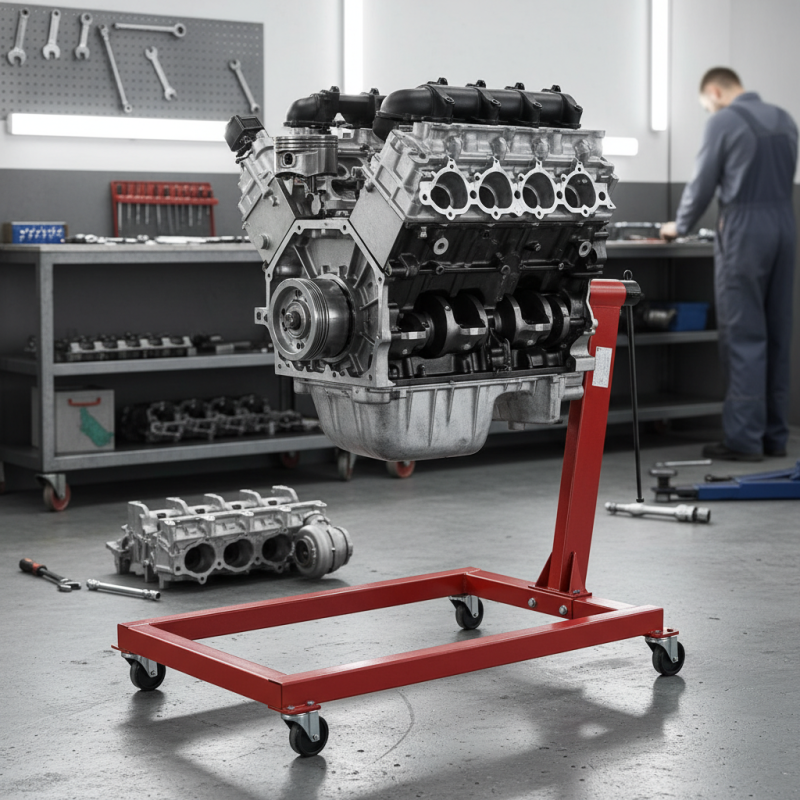
Table of Contents [Hide]
What is a Car Engine Stand?
A car engine stand is a vital tool for mechanics and DIY enthusiasts. It provides a stable platform to work on an engine with ease. Usually made of sturdy steel, these stands can safely support heavy engines. They often feature adjustable arms and a rotating mount, allowing users to access every angle. This design simplifies tasks like repairs and rebuilds.
Using an engine stand can seem straightforward, but it comes with challenges. Balancing the engine correctly is crucial for safety. If not done right, it can tip over. Some stands may have limited height adjustments, which can be frustrating when trying to reach certain areas of the engine. Additionally, the weight of the engine can make it difficult to move around the workspace, so planning the layout is essential.
Working with an engine stand exposes you to potential pitfalls. For instance, forgetting to secure the engine properly may lead to accidents. Ensuring that all tools are within reach can help avoid unnecessary movements and risks. Flaws in design can also create obstacles. Regularly checking the stand for wear and tear is important too. A little diligence can go a long way in preventing mishaps.
What is a Car Engine Stand and How Does It Work?
| Feature | Description |
|---|---|
| Purpose | To securely hold and support a car engine during repairs or maintenance. |
| Design | Usually features a sturdy metal frame, adjustable arms, and wheels for mobility. |
| Weight Capacity | Can typically support engines weighing between 500 to 1000 pounds. |
| Adjustability | Allows for height adjustment and pivoting to facilitate access to various parts of the engine. |
| Mobility | Equipped with wheels for easy maneuverability in garages or workshops. |
| Safety Features | Includes locking mechanisms to prevent accidental movement and enhance stability. |
| Usage | Commonly used by mechanics and DIY enthusiasts for engine swaps and extensive repairs. |