- Home
- A-Z Catalogue
- Products
- Valves
- Cetop
- Manual Directional Valves
- Proportional Valves
- Poppet Valves
- High-Speed Linear Servo Valves
- All High-Speed Linear Servo Valves
- Cetop 10 (NG32) Two Stage Type High Speed Linear Servo Valves – LSVHG-10
- Cetop 10 (NG32) Two Stage Type High Speed Linear Servo Valves – LSVHG-10 (With Fail-Safe)
- Cetop 8 (NG25) Two Stage Type High Speed Linear Servo Valves – LSVHG-06
- Cetop 8 (NG25) Two Stage Type High Speed Linear Servo Valves – LSVHG-06 (With Fail-Safe)
- Cetop 7 (NG16) Two Stage Type High Speed Linear Servo Valves – LSVHG-04
- Cetop 7 (NG16) Two Stage Type High Speed Linear Servo Valves – LSVHG-04 (With Fail-Safe)
- Cetop 5 (NG10) Direct Type High Speed Linear Servo Valves – LSVG-03
- Cetop 5 (NG10) OBE Type Direct Operated Linear Servo Valves – LSVG-03-EH
- Cetop 3 (NG6) OBE Type Direct Operated Linear Servo Valves – LSVG-01-EH
- Pumps
- Pressure control
- Flow Control Valves
- Pressure Control Valves
- All Pressure Control Valves
- Brake Valves
- Direct Relief Valve
- Low Noise Solenoid Controlled Relief Valves
- Low Noise Pilot Operated Relief Valves
- Pilot Operated Relief Valves
- Pressure reducing and relieving valves
- Pressure reducing and check valves
- Pressure control valves
- Remote Control Relief Valves
- Solenoid Controlled Relief Valves – BSG
- Solenoid Controlled Relief Valves – BST
- Unloading relief valves
- Check valves
- Environmental
- Valves
- Hydraulic Systems
- Power pack
- About Us
- Contact
- Blog

10 Best Venous Ulcer Dressings for Global Buyers
Venous Ulcers can turn a small break in the skin near the ankle into a persistent, heavily draining wound. The right dressing can manage fluid, protect fragile surrounding skin, and support a clinician’s care plan. It cannot correct poor venous circulation on its own. Compression, when clinically appropriate, remains central to treatment.
As wound-care specialist David G. Armstrong has said, “If you want to heal a wound, you have to heal the patient.” That perspective matters when comparing products. A dressing that works well for a wet wound may be unsuitable for a dry wound or delicate skin. Foam, alginate, hydrofiber, contact-layer, and other dressing types each have different uses. Fit matters.
Global buyers also need to check sizes, packaging, instructions, and local availability. Ask suppliers for clear product specifications and evidence supporting their claims. A polished product sheet is not the same as clinical proof. Not every wound is alike. This guide compares ten widely used dressing options and explains where each may fit, while noting practical limitations. The ranking is a starting point, not a prescription. Real wound care can be less tidy than a list suggests; assessment by a qualified clinician should guide product selection.
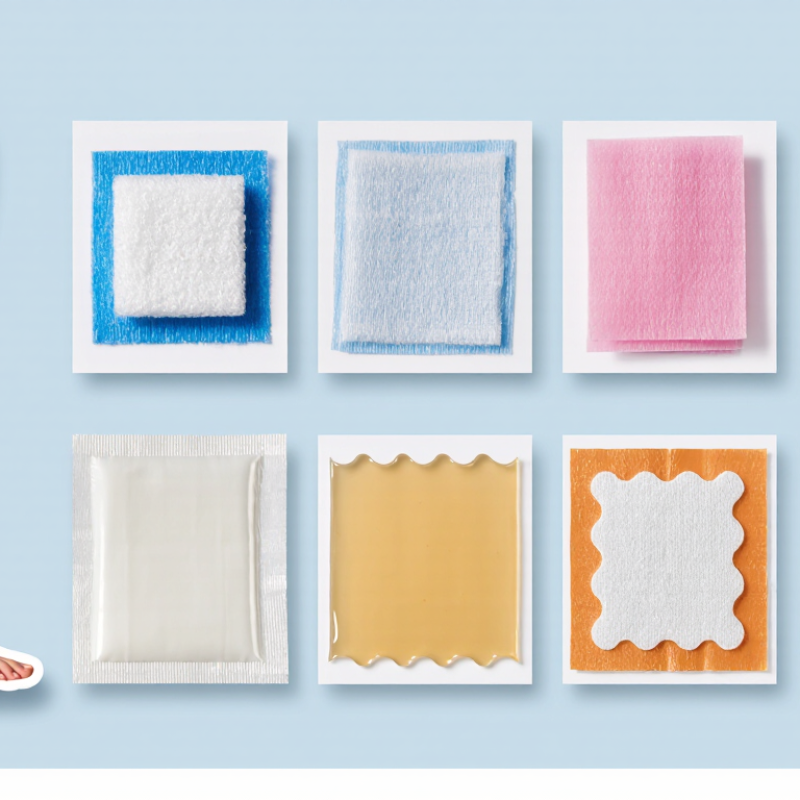
Table of Contents [Hide]
Venous Ulcer Basics: Venous Disease Causes About 70% of Leg Ulcers
Venous disease is estimated to cause about 70% of leg ulcers, although the proportion varies between patient groups. That figure is useful, but it cannot identify the cause of an individual wound. When leg-vein valves weaken, blood may pool in the lower legs, raising pressure in nearby vessels. Over time, skin can become swollen, itchy, discolored, or fragile, often around the inner ankle. Small knocks may then create wounds that heal slowly. It can be slow. Similar-looking ulcers can have different causes, so assessment matters.
A clinician may examine the wound, check leg circulation, and ask about swelling, pain, and medical history. Arterial blood flow should be considered before compression is recommended. Dressings can help manage drainage and protect delicate tissue, but they do not correct the underlying vein problem. A heavily draining ulcer may need a more absorbent dressing; a drier wound may need a different moisture balance. Details matter. No single dressing suits every wound, and the best choice may change as healing progresses. Increasing pain, spreading redness, warmth, fever, or a sudden change in drainage warrants prompt medical review. The “70%” estimate is a starting point for understanding venous ulcers, not a substitute for diagnosis.