


- Home
- A-Z Catalogue
- Products
- Valves
- Cetop
- Manual Directional Valves
- Proportional Valves
- Poppet Valves
- High-Speed Linear Servo Valves
- All High-Speed Linear Servo Valves
- Cetop 10 (NG32) Two Stage Type High Speed Linear Servo Valves – LSVHG-10
- Cetop 10 (NG32) Two Stage Type High Speed Linear Servo Valves – LSVHG-10 (With Fail-Safe)
- Cetop 8 (NG25) Two Stage Type High Speed Linear Servo Valves – LSVHG-06
- Cetop 8 (NG25) Two Stage Type High Speed Linear Servo Valves – LSVHG-06 (With Fail-Safe)
- Cetop 7 (NG16) Two Stage Type High Speed Linear Servo Valves – LSVHG-04
- Cetop 7 (NG16) Two Stage Type High Speed Linear Servo Valves – LSVHG-04 (With Fail-Safe)
- Cetop 5 (NG10) Direct Type High Speed Linear Servo Valves – LSVG-03
- Cetop 5 (NG10) OBE Type Direct Operated Linear Servo Valves – LSVG-03-EH
- Cetop 3 (NG6) OBE Type Direct Operated Linear Servo Valves – LSVG-01-EH
- Pumps
- Pressure control
- Flow Control Valves
- Pressure Control Valves
- All Pressure Control Valves
- Brake Valves
- Direct Relief Valve
- Low Noise Solenoid Controlled Relief Valves
- Low Noise Pilot Operated Relief Valves
- Pilot Operated Relief Valves
- Pressure reducing and relieving valves
- Pressure reducing and check valves
- Pressure control valves
- Remote Control Relief Valves
- Solenoid Controlled Relief Valves – BSG
- Solenoid Controlled Relief Valves – BST
- Unloading relief valves
- Check valves
- Environmental
- Valves
- Hydraulic Systems
- Power pack
- About Us
- Contact
- Blog

What Is the Best Type of RO Water Filter in 2026?
Choosing the best Ro Water Filter in 2026 starts with the water you actually use, not a glossy product ranking. There is no universal winner. A compact countertop unit may suit a rental kitchen, while an under-sink system can provide filtered water without taking up counter space. Larger households may value a bigger storage tank or faster delivery. But size alone tells you little. That matters.
A careful comparison should consider your source water, daily use, installation limits, and willingness to replace filters on schedule. Check the exact model’s performance claims and relevant NSF/ANSI 58 certification; certification applies to specific claims, not every possible contaminant. A recent water report can help identify what needs attention, though private wells may require separate testing. Also compare wastewater output, replacement-filter costs, tank capacity, and the space needed beneath the sink. Small details count: a faucet that splashes or a tank that empties during dinner can become daily annoyances.
RO systems can reduce many dissolved substances, but results vary by model and water conditions. No filter fixes poor maintenance. I still find product comparisons confusing when they emphasize purity numbers but hide operating costs. A sensible choice balances verified performance, convenience, and upkeep. In this guide, we’ll compare common RO configurations and explain which type may fit different homes—without pretending one system is best for everyone.
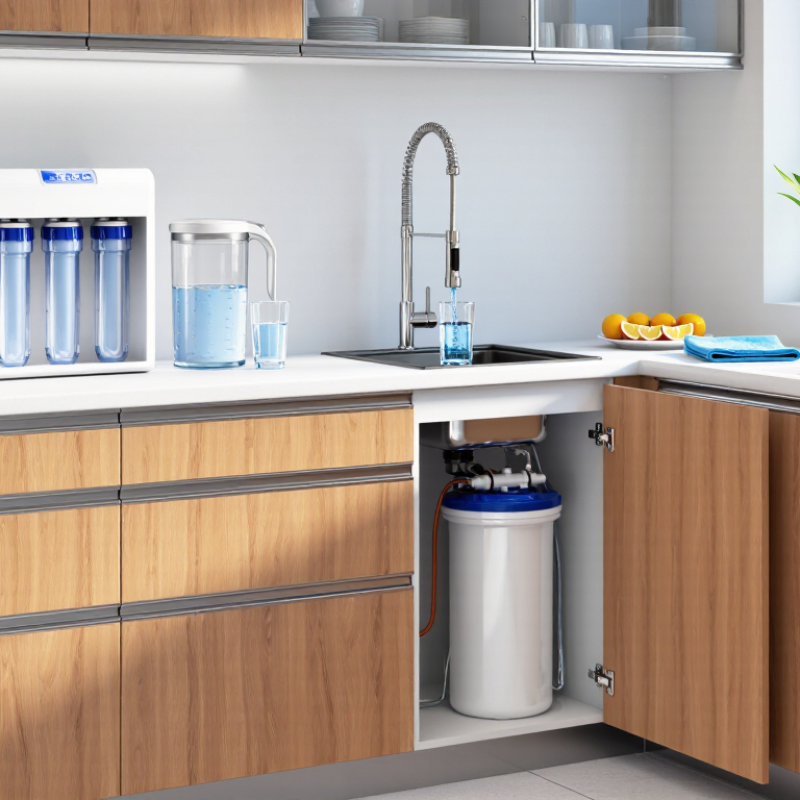
Table of Contents [Hide]
How Reverse Osmosis Water Filters Work
What Is the Best Type of RO Water Filter in 2026?
How Reverse Osmosis Water Filters Work
Reverse osmosis (RO) pushes water through a semipermeable membrane under pressure. The membrane lets water molecules pass while limiting many dissolved salts and other contaminants. A typical under-sink system uses sediment and carbon prefilters to protect the membrane, then often sends water through a final carbon filter. Some water goes down the drain with concentrated contaminants. The US EPA’s WaterSense specification limits qualified point-of-use RO systems to 2.3 gallons of reject water per gallon treated. NSF/ANSI 58 includes a minimum 75% total dissolved solids reduction requirement for certified systems. Performance still depends on the model and incoming water.
At home, you may hear the storage tank refill or notice slower flow as filters age. Check the manufacturer’s replacement schedule and use a certified system whose specific contaminant-reduction claims match your water test. RO can reduce minerals, too, so the taste may seem flatter. It is not a magic fix. I find the drain line easy to forget; a kink or poor connection can affect operation.
Tips: Compare certified performance claims, not just filter stages. Test your tap water before choosing a system, and check the reject-water ratio. Replace cartridges on schedule. A neglected prefilter can make the membrane work harder.





