


- Home
- A-Z Catalogue
- Products
- Valves
- Cetop
- Manual Directional Valves
- Proportional Valves
- Poppet Valves
- High-Speed Linear Servo Valves
- All High-Speed Linear Servo Valves
- Cetop 10 (NG32) Two Stage Type High Speed Linear Servo Valves – LSVHG-10
- Cetop 10 (NG32) Two Stage Type High Speed Linear Servo Valves – LSVHG-10 (With Fail-Safe)
- Cetop 8 (NG25) Two Stage Type High Speed Linear Servo Valves – LSVHG-06
- Cetop 8 (NG25) Two Stage Type High Speed Linear Servo Valves – LSVHG-06 (With Fail-Safe)
- Cetop 7 (NG16) Two Stage Type High Speed Linear Servo Valves – LSVHG-04
- Cetop 7 (NG16) Two Stage Type High Speed Linear Servo Valves – LSVHG-04 (With Fail-Safe)
- Cetop 5 (NG10) Direct Type High Speed Linear Servo Valves – LSVG-03
- Cetop 5 (NG10) OBE Type Direct Operated Linear Servo Valves – LSVG-03-EH
- Cetop 3 (NG6) OBE Type Direct Operated Linear Servo Valves – LSVG-01-EH
- Pumps
- Pressure control
- Flow Control Valves
- Pressure Control Valves
- All Pressure Control Valves
- Brake Valves
- Direct Relief Valve
- Low Noise Solenoid Controlled Relief Valves
- Low Noise Pilot Operated Relief Valves
- Pilot Operated Relief Valves
- Pressure reducing and relieving valves
- Pressure reducing and check valves
- Pressure control valves
- Remote Control Relief Valves
- Solenoid Controlled Relief Valves – BSG
- Solenoid Controlled Relief Valves – BST
- Unloading relief valves
- Check valves
- Environmental
- Valves
- Hydraulic Systems
- Power pack
- About Us
- Contact
- Blog

2026 Best Hydraulic Valve Repair Tips for Global Buyers?
Hydraulic valve repair is crucial for maintaining the efficiency of hydraulic systems. For global buyers, understanding effective repair techniques can lead to better performance and longevity of equipment. This article aims to provide practical tips that outline the best practices in hydraulic valve repair.
Expertise in hydraulic systems is essential. Many factors affect a valve's performance, including wear, contamination, and improper installation. Recognizing these issues early can save time and costs. Quality materials and skilled technicians play a vital role in successful repair. Reliable resources can guide buyers in choosing the right methods and tools.
However, even experts face challenges during repairs. Mistakes can occur with complex systems, leading to further complications. A reflective approach is necessary to learn from past experiences and improve future repairs. By focusing on detailed inspections and ongoing education, buyers can enhance their hydraulic valve repair processes.
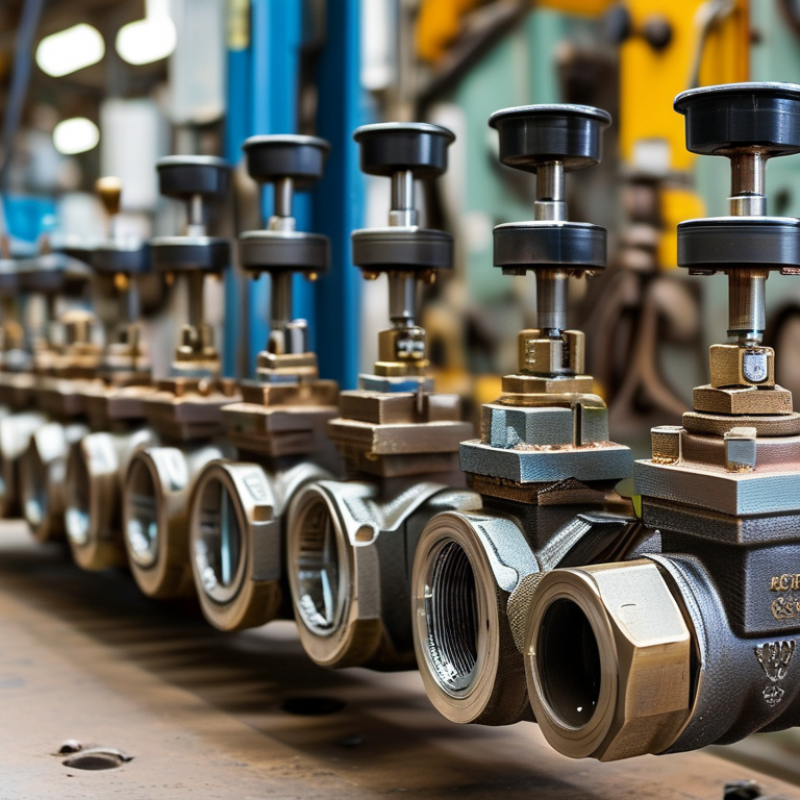
Table of Contents
[Hide]
Understanding Hydraulic Valve Functionality and Common Issues
Hydraulic valves are critical components in various machinery, controlling the flow and pressure of fluid. Understanding common issues can prevent costly downtime. Studies show that approximately 30% of hydraulic failures stem from valve malfunction. The primary problems include contamination, leakage, and inadequate maintenance.
Contamination is a leading issue. About 70% of hydraulic failures originate from dirty fluids. Regular fluid checks and filtration can mitigate this risk. Leakage often occurs at connection points. Ensuring proper sealing techniques can help. Regular inspections are essential to catch small issues before they escalate.
Maintenance is crucial for optimal performance. A report indicates that systems lacking routine checks experience failures 50% more often. Implementing a scheduled maintenance plan can significantly extend the lifespan of hydraulic valves. Minor adjustments can lead to substantial improvements in efficiency and reliability. Ensure your team is trained to recognize warning signs. This proactive approach can enhance machinery performance.
2026 Best Hydraulic Valve Repair Tips for Global Buyers
| Repair Tip | Common Issues | Tools Needed | Estimated Repair Time |
|---|---|---|---|
| Regular maintenance and inspection | Leakage, stickiness | Wrench, oil, cleaning cloth | 1-2 hours |
| Check for correct pressure settings | Overheating, valve failure | Pressure gauge | 30 minutes |
| Replace worn seals and O-rings | Hydraulic fluid leakage | Seal kit, sealant | 1 hour |
| Clean and flush the hydraulic system | Contaminated fluid, reduced efficiency | Flush kit, clean fluid | 2-3 hours |
| Inspect and recalibrate sensors | Incorrect readings, system malfunctions | Calibration tool, manual | 1 hour |
Related Posts
-
Understanding the Importance of Hydraulic Pressure Control Valves in Modern Industrial Applications
-

2025 How to Effectively Repair Hydraulic Valves for Optimal Performance
-
Best Hydraulic Valve Repair Techniques for Optimal Performance?
-
10 Essential Tips for Choosing the Right Hydraulic Relief Valve
-

Exploring the Benefits of Advanced Hydraulic Directional Valves for Efficient Fluid Control
-

Understanding the Importance of Hydraulic Flow Control Valves in Modern Industrial Applications