


- Home
- A-Z Catalogue
- Products
- Valves
- Cetop
- Manual Directional Valves
- Proportional Valves
- Poppet Valves
- High-Speed Linear Servo Valves
- All High-Speed Linear Servo Valves
- Cetop 10 (NG32) Two Stage Type High Speed Linear Servo Valves – LSVHG-10
- Cetop 10 (NG32) Two Stage Type High Speed Linear Servo Valves – LSVHG-10 (With Fail-Safe)
- Cetop 8 (NG25) Two Stage Type High Speed Linear Servo Valves – LSVHG-06
- Cetop 8 (NG25) Two Stage Type High Speed Linear Servo Valves – LSVHG-06 (With Fail-Safe)
- Cetop 7 (NG16) Two Stage Type High Speed Linear Servo Valves – LSVHG-04
- Cetop 7 (NG16) Two Stage Type High Speed Linear Servo Valves – LSVHG-04 (With Fail-Safe)
- Cetop 5 (NG10) Direct Type High Speed Linear Servo Valves – LSVG-03
- Cetop 5 (NG10) OBE Type Direct Operated Linear Servo Valves – LSVG-03-EH
- Cetop 3 (NG6) OBE Type Direct Operated Linear Servo Valves – LSVG-01-EH
- Pumps
- Pressure control
- Flow Control Valves
- Pressure Control Valves
- All Pressure Control Valves
- Brake Valves
- Direct Relief Valve
- Low Noise Solenoid Controlled Relief Valves
- Low Noise Pilot Operated Relief Valves
- Pilot Operated Relief Valves
- Pressure reducing and relieving valves
- Pressure reducing and check valves
- Pressure control valves
- Remote Control Relief Valves
- Solenoid Controlled Relief Valves – BSG
- Solenoid Controlled Relief Valves – BST
- Unloading relief valves
- Check valves
- Environmental
- Valves
- Hydraulic Systems
- Power pack
- About Us
- Contact
- Blog

Best Hydraulic Valve Repair Techniques for Optimal Performance?
Hydraulic valve repair is critical for maintaining optimal performance in hydraulic systems. According to a report from the International Fluid Power Society, over 40% of hydraulic system failures are linked to valve issues. Proper maintenance and repair techniques can significantly extend the life of hydraulic components.
Expert Mark Johnson, a renowned figure in the hydraulic industry, emphasizes, "Regular valve maintenance is crucial. Neglecting it can lead to significant downtime." His insights underscore the need for effective hydraulic valve repair strategies. Yet, many organizations overlook this aspect, often leading to costly repairs and operational inefficiencies.
Additionally, recent studies show that only 30% of companies implement best practices in hydraulic valve maintenance. This statistic highlights a critical area for improvement. There remains a gap between knowledge and execution in hydraulic valve repair. Many technicians still rely on outdated methods. Implementing modern techniques is vital for enhancing system reliability.
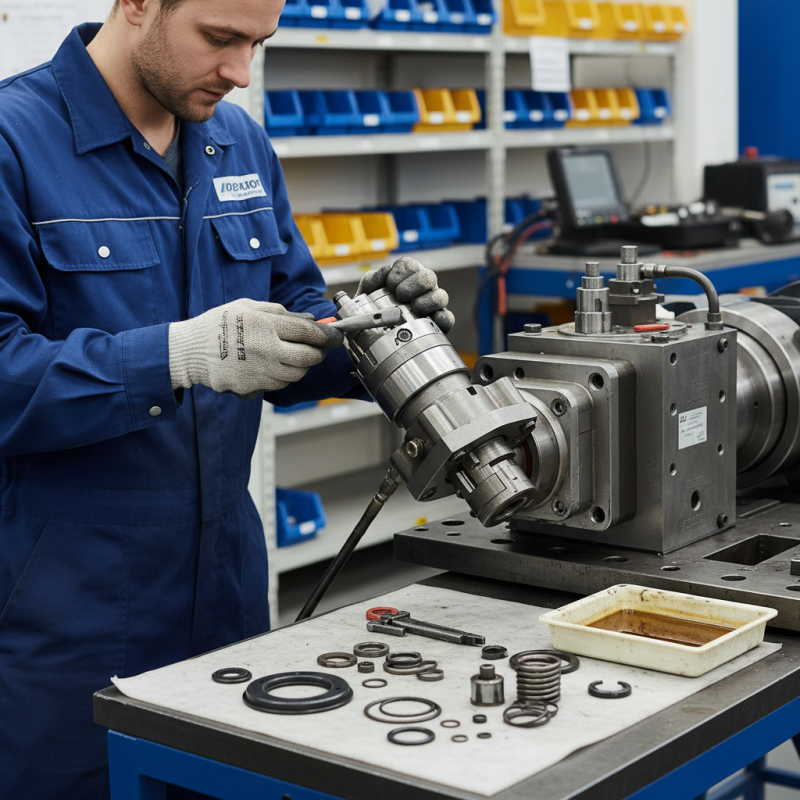
Table of Contents
[Hide]
Understanding Hydraulic Valves and Their Functions
Hydraulic valves play a crucial role in fluid power systems. They control the flow and direction of hydraulic fluids. Understanding how these valves work is essential for optimal performance. Each valve has specific functions, such as regulating pressure and controlling speed. This makes them vital in many industrial applications.
Common types include directional, pressure, and flow control valves. Their design influences how effectively they perform tasks. For instance, a directional valve directs fluid to various actuators. A pressure valve prevents system overload. However, performing regular maintenance is easy to overlook. It requires attention to detail, which many often skip.
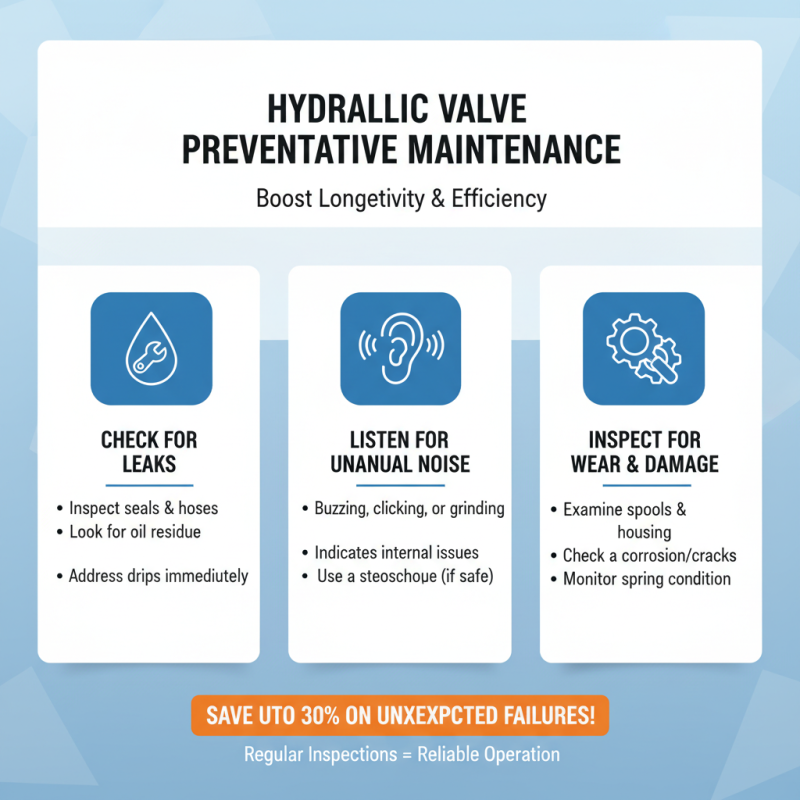
Leaks, sticking parts, and damaged seals can occur over time. Detecting these issues promptly is key. Inspecting hydraulic valves should be part of a routine check. Missing small signs may lead to larger problems. Delaying repairs impacts system efficiency significantly. Regularly reviewing valve performance ensures optimal function and longevity. A conscious effort to monitor can lead to better outcomes.
Best Hydraulic Valve Repair Techniques for Optimal Performance
| Repair Technique | Description | Optimal Applications | Expected Outcome |
|---|---|---|---|
| O-Ring Replacement | Replacing worn O-rings to prevent leaks and ensure proper sealing. | Used in leakage issues in both low and high-pressure systems. | Improved sealing and reduced leakage. |
| Valve Cleaning | Thorough cleaning of valve components to remove debris and contaminants. | Recommended for valves with reduced flow rates due to blockages. | Restoration of flow rates and smooth operation. |
| Seat Resurfacing | Refinishing valve seats to ensure a tight seal. | Applicable in cases of leakage or poor sealing. | Enhanced valve performance and sealing integrity. |
| Spring Replacement | Replacing weak or broken springs that impact valve operation. | Critical for valves requiring precise pressure regulation. | Consistent valve response and stability. |
| Seal Replacement | Replacing aging seals to enhance performance and prevent leaks. | Essential for all hydraulic systems with aging components. | Restored performance and reliability in operation. |
Related Posts
-

2025 How to Effectively Repair Hydraulic Valves for Optimal Performance
-
Understanding the Importance of Hydraulic Pressure Control Valves in Modern Industrial Applications
-

Understanding the Importance of Hydraulic Flow Control Valves in Modern Industrial Applications
-
7 Essential Tips for Choosing the Right Hydraulic Valve for Your Application
-

2026 Top Hydraulic Directional Valve Trends and Innovations?
-
2026 Best Hydraulic Valve Innovations for Enhanced Performance?