


- Home
- A-Z Catalogue
- Products
- Valves
- Cetop
- Manual Directional Valves
- Proportional Valves
- Poppet Valves
- High-Speed Linear Servo Valves
- All High-Speed Linear Servo Valves
- Cetop 10 (NG32) Two Stage Type High Speed Linear Servo Valves – LSVHG-10
- Cetop 10 (NG32) Two Stage Type High Speed Linear Servo Valves – LSVHG-10 (With Fail-Safe)
- Cetop 8 (NG25) Two Stage Type High Speed Linear Servo Valves – LSVHG-06
- Cetop 8 (NG25) Two Stage Type High Speed Linear Servo Valves – LSVHG-06 (With Fail-Safe)
- Cetop 7 (NG16) Two Stage Type High Speed Linear Servo Valves – LSVHG-04
- Cetop 7 (NG16) Two Stage Type High Speed Linear Servo Valves – LSVHG-04 (With Fail-Safe)
- Cetop 5 (NG10) Direct Type High Speed Linear Servo Valves – LSVG-03
- Cetop 5 (NG10) OBE Type Direct Operated Linear Servo Valves – LSVG-03-EH
- Cetop 3 (NG6) OBE Type Direct Operated Linear Servo Valves – LSVG-01-EH
- Pumps
- Pressure control
- Flow Control Valves
- Pressure Control Valves
- All Pressure Control Valves
- Brake Valves
- Direct Relief Valve
- Low Noise Solenoid Controlled Relief Valves
- Low Noise Pilot Operated Relief Valves
- Pilot Operated Relief Valves
- Pressure reducing and relieving valves
- Pressure reducing and check valves
- Pressure control valves
- Remote Control Relief Valves
- Solenoid Controlled Relief Valves – BSG
- Solenoid Controlled Relief Valves – BST
- Unloading relief valves
- Check valves
- Environmental
- Valves
- Hydraulic Systems
- Power pack
- About Us
- Contact
- Blog

Best Hydraulic Check Valve for Global Buyers in 2026?
In the rapidly evolving world of hydraulics, the significance of a high-quality hydraulic check valve cannot be overstated. Experts agree that these components are crucial for ensuring efficient system operation. Dr. Emily Carter, a renowned authority in hydraulic systems, states, “A reliable hydraulic check valve is the backbone of any hydraulic system.”
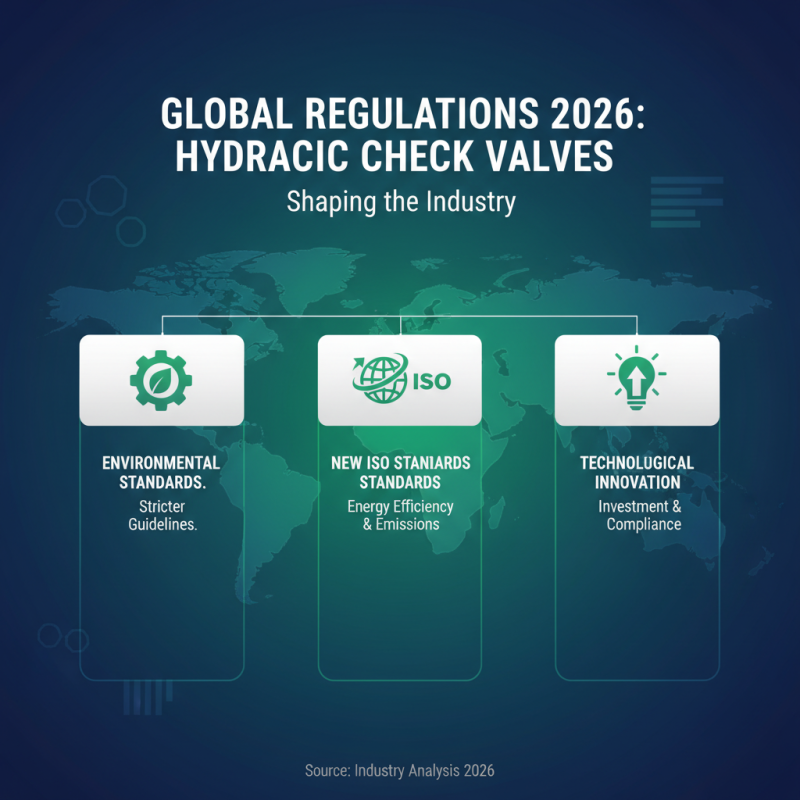
With increasing demand across various industries, global buyers must stay informed about the best hydraulic check valves available in 2026. The industry is seeing significant advancements in materials and design, leading to improved performance. Many manufacturers are embracing innovative technologies, aiming to enhance durability and efficiency. However, buyers face challenges in selecting the right products due to the overwhelming number of options.
The market's dynamic nature requires deep knowledge and expertise. Potential buyers should focus on details like the valve's pressure rating and flow capacity. A valve that fails to meet these criteria can lead to severe system inefficiencies. As companies strive for excellence, the choice of a hydraulic check valve must reflect reliability and technical superiority. Overall, understanding the evolving landscape is key for making informed purchasing decisions.
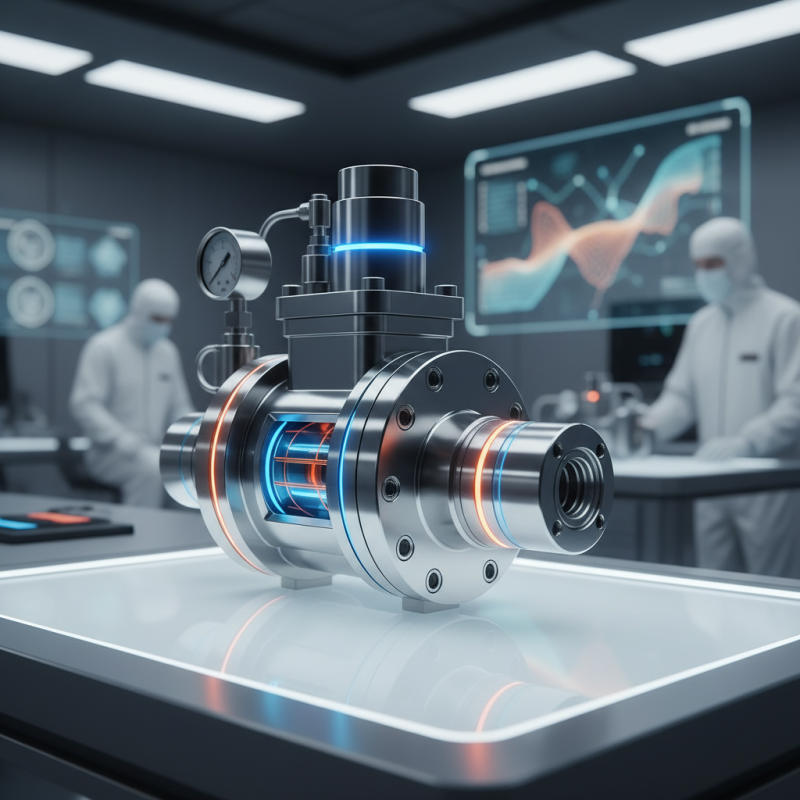
Table of Contents
[Hide]
Overview of Hydraulic Check Valves and Their Functionality
Hydraulic check valves play a crucial role in fluid systems. They allow flow in one direction while preventing backflow, ensuring system efficiency and safety. According to industry reports, the global hydraulic valve market is projected to reach $15 billion by 2026, driven by increased industrialization and infrastructure development.
Functionality varies among hydraulic check valves. They rely on pressure differential to open and close. When fluid flows forward, the valve opens. If there is reverse flow, the valve closes, protecting equipment from damage. Data from the International Society of Automation shows that proper valve operation can reduce system failures by up to 30%. However, maintenance is vital. Clogged or damaged valves can lead to significant inefficiencies, impacting overall operations.
In some cases, users may overlook the need for regular inspections. For example, a check valve operating below the recommended flow rate may not function correctly. This can lead to disastrous outcomes, including system failures. As technology evolves, staying informed is essential. Understanding the nuances of these components can prevent costly mistakes and enhance system productivity.
Related Posts
-
Understanding the Role of Hydraulic Valves in Modern Industrial Applications
-

Exploring the Benefits of Advanced Hydraulic Directional Valves for Efficient Fluid Control
-
Understanding the Importance of Hydraulic Pressure Control Valves in Modern Industrial Applications
-
How to Choose the Right Directional Control Valve for Your Project
-
2025 Top Hydraulic Directional Valve Applications and Important Features to Know
-
7 Essential Tips for Choosing the Right Hydraulic Valve for Your Application