


- Home
- A-Z Catalogue
- Products
- Valves
- Cetop
- Manual Directional Valves
- Proportional Valves
- Poppet Valves
- High-Speed Linear Servo Valves
- All High-Speed Linear Servo Valves
- Cetop 10 (NG32) Two Stage Type High Speed Linear Servo Valves – LSVHG-10
- Cetop 10 (NG32) Two Stage Type High Speed Linear Servo Valves – LSVHG-10 (With Fail-Safe)
- Cetop 8 (NG25) Two Stage Type High Speed Linear Servo Valves – LSVHG-06
- Cetop 8 (NG25) Two Stage Type High Speed Linear Servo Valves – LSVHG-06 (With Fail-Safe)
- Cetop 7 (NG16) Two Stage Type High Speed Linear Servo Valves – LSVHG-04
- Cetop 7 (NG16) Two Stage Type High Speed Linear Servo Valves – LSVHG-04 (With Fail-Safe)
- Cetop 5 (NG10) Direct Type High Speed Linear Servo Valves – LSVG-03
- Cetop 5 (NG10) OBE Type Direct Operated Linear Servo Valves – LSVG-03-EH
- Cetop 3 (NG6) OBE Type Direct Operated Linear Servo Valves – LSVG-01-EH
- Pumps
- Pressure control
- Flow Control Valves
- Pressure Control Valves
- All Pressure Control Valves
- Brake Valves
- Direct Relief Valve
- Low Noise Solenoid Controlled Relief Valves
- Low Noise Pilot Operated Relief Valves
- Pilot Operated Relief Valves
- Pressure reducing and relieving valves
- Pressure reducing and check valves
- Pressure control valves
- Remote Control Relief Valves
- Solenoid Controlled Relief Valves – BSG
- Solenoid Controlled Relief Valves – BST
- Unloading relief valves
- Check valves
- Environmental
- Valves
- Hydraulic Systems
- Power pack
- About Us
- Contact
- Blog

Which Electric Fuel Pumps Are Best for Buyers in 2026?
Choosing the best Electric Fuel Pumps for buyers in 2026 starts with the vehicle, not the product label. A pump must match the engine’s required fuel pressure and flow, electrical supply, fuel type, and installation layout. A mismatch can cause poor starting, hesitation, or unnecessary strain on the system. Small details matter. Check the vehicle’s service information and the pump’s specifications before comparing prices.
Buyers will encounter in-tank and inline designs, standard replacement units, and higher-output options. Each serves a different need; higher flow is not automatically better. Look for clear fitment data, durable materials, accessible technical support, and a warranty with understandable terms. For example, a daily driver may need dependable, quiet operation, while a modified engine may require a carefully matched flow rate. One overlooked connector can turn an easy replacement into a longer repair. That sounds obvious. It is often where buyers go wrong.
This guide explains how to compare pump types, evaluate specifications, and spot claims that deserve a closer look. It does not assume one model suits every vehicle. Product availability and designs can change, and published figures may depend on test conditions. Confirm compatibility with the manufacturer or a qualified technician, especially when the vehicle has been modified. The best choice is the one that meets the stated requirements and fits the real use case—not simply the one with the biggest numbers.
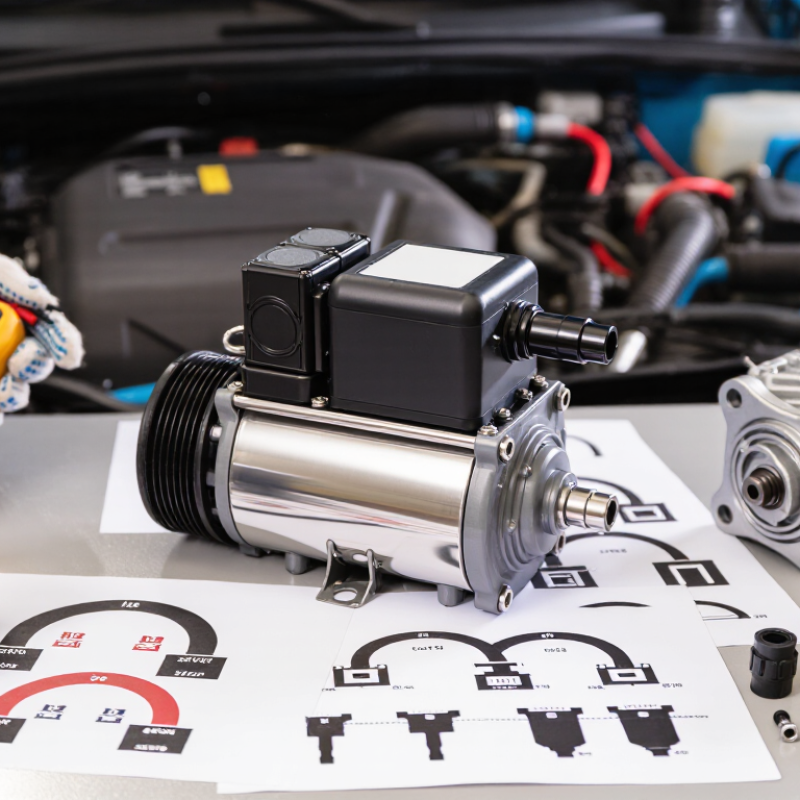
Table of Contents [Hide]
How Electric Fuel Pumps Work and Where They Are Used
An electric fuel pump moves fuel from its tank to the engine using an electrically driven motor. The principle is simple. Inside the pump, a small impeller or rotor draws fuel through an inlet strainer and sends it along the fuel line under pressure. The engine’s injection system needs a steady, specified supply; too little pressure can cause hard starting, hesitation, or stalling. Exact pressure requirements vary by engine.
Many modern vehicles place the pump inside the fuel tank. Fuel around the unit can help cool it, so repeatedly driving with a nearly empty tank may add avoidable heat and wear. It is not a guaranteed cause of failure, though. Some older vehicles and specialized systems use an external pump. A pressure regulator and, in some designs, electronic controls help match delivery to engine demand. A technician can verify pressure with the correct test equipment rather than guessing from sound alone.
These pumps are used in fuel-injected cars, motorcycles, boats, and some generators. Their job stays similar, but fuel type, operating pressure, wiring, and mounting differ. A pump that physically fits may still be wrong for the system. That detail is easy to overlook. Check the vehicle or equipment specifications, and inspect the strainer, connectors, and fuel lines when diagnosing poor delivery. A weak pump is one possibility, not the only one.





