


- Home
- A-Z Catalogue
- Products
- Valves
- Cetop
- Manual Directional Valves
- Proportional Valves
- Poppet Valves
- High-Speed Linear Servo Valves
- All High-Speed Linear Servo Valves
- Cetop 10 (NG32) Two Stage Type High Speed Linear Servo Valves – LSVHG-10
- Cetop 10 (NG32) Two Stage Type High Speed Linear Servo Valves – LSVHG-10 (With Fail-Safe)
- Cetop 8 (NG25) Two Stage Type High Speed Linear Servo Valves – LSVHG-06
- Cetop 8 (NG25) Two Stage Type High Speed Linear Servo Valves – LSVHG-06 (With Fail-Safe)
- Cetop 7 (NG16) Two Stage Type High Speed Linear Servo Valves – LSVHG-04
- Cetop 7 (NG16) Two Stage Type High Speed Linear Servo Valves – LSVHG-04 (With Fail-Safe)
- Cetop 5 (NG10) Direct Type High Speed Linear Servo Valves – LSVG-03
- Cetop 5 (NG10) OBE Type Direct Operated Linear Servo Valves – LSVG-03-EH
- Cetop 3 (NG6) OBE Type Direct Operated Linear Servo Valves – LSVG-01-EH
- Pumps
- Pressure control
- Flow Control Valves
- Pressure Control Valves
- All Pressure Control Valves
- Brake Valves
- Direct Relief Valve
- Low Noise Solenoid Controlled Relief Valves
- Low Noise Pilot Operated Relief Valves
- Pilot Operated Relief Valves
- Pressure reducing and relieving valves
- Pressure reducing and check valves
- Pressure control valves
- Remote Control Relief Valves
- Solenoid Controlled Relief Valves – BSG
- Solenoid Controlled Relief Valves – BST
- Unloading relief valves
- Check valves
- Environmental
- Valves
- Hydraulic Systems
- Power pack
- About Us
- Contact
- Blog

Which Electric Block Machine Is Best in 2026?
Choosing the best Electric Block Machine in 2026 is not simply a matter of comparing advertised output. A machine must suit your block dimensions, daily production target, available floor space, and operator skills. The right choice should also deliver consistent density and clean edges, shift after shift. One cracked corner can mean wasted material, extra handling, and a slower delivery.
Industry data makes efficiency worth examining. The International Energy Agency estimates that cement production contributes about 7% of global energy-system CO₂ emissions. UNEP’s Global Status Report for Buildings and Construction reports that buildings and construction account for 37% of energy- and process-related CO₂ emissions worldwide. These figures describe the wider construction sector, not the footprint of any individual block machine. That distinction matters. A faster machine is not automatically a more resource-efficient one.
This guide compares machine types and practical buying criteria for 2026, including production capacity, automation, mould changes, maintenance access, and energy use. Ask suppliers for test results using the block mix and sizes you actually plan to produce. Check whether quoted output means ideal-cycle production or saleable blocks under routine operating conditions. Numbers need context. A careful choice can prevent costly surprises, though no specification sheet replaces a production trial.
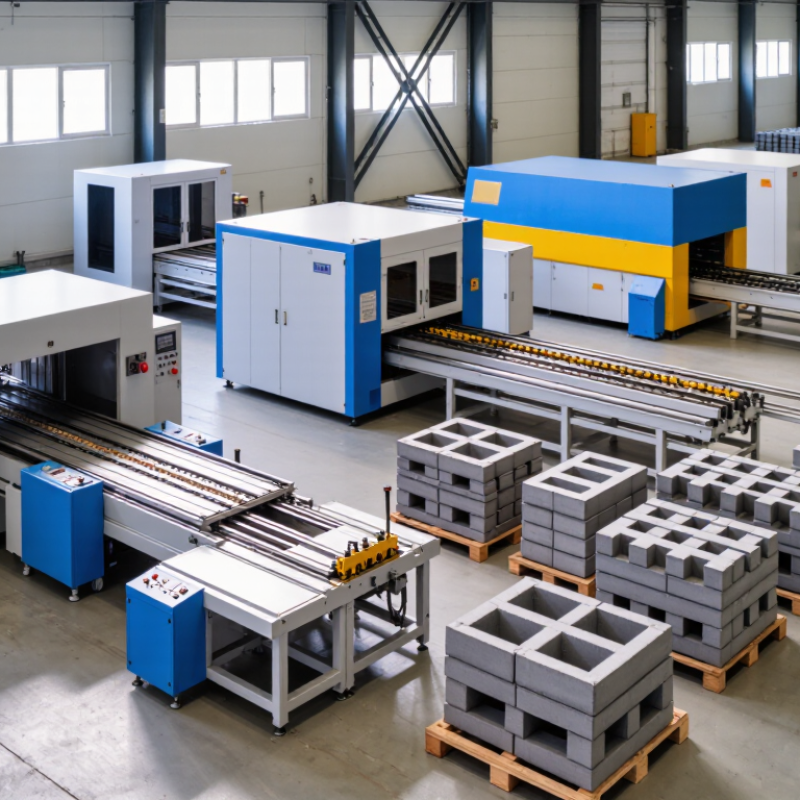
Table of Contents [Hide]
What Is an Electric Block Machine?
Which Electric Block Machine Is Best in 2026?
An electric block machine forms concrete blocks by pressing a measured mixture inside a shaped mold. An electric motor typically powers the vibration system and, in some designs, hydraulic components. Vibration helps settle the mix around the mold’s edges, while pressure gives the block its shape. The mold determines the unit’s dimensions and profile, so changing block types may require different molds. After pressing, the fresh block is released onto a pallet or production surface for curing.
It is not a printer. Mix consistency, moisture, and careful handling all affect the result.
When comparing machines, look beyond the advertised output per hour. Check the required power supply, mold-change process, pallet size, and space needed for safe material movement. Ask how production figures were measured; a steady demonstration may not reflect a full shift with routine pauses.
That matters.
A useful test is to inspect several blocks from a trial run: look for chipped corners, uneven faces, and consistent dimensions. Also consider who will operate and maintain the equipment, and whether replacement parts are readily available. A higher-capacity machine can be a poor fit if the site cannot supply enough prepared mix or storage space. Specs help, but they do not answer everything.





