


- Home
- A-Z Catalogue
- Products
- Valves
- Cetop
- Manual Directional Valves
- Proportional Valves
- Poppet Valves
- High-Speed Linear Servo Valves
- All High-Speed Linear Servo Valves
- Cetop 10 (NG32) Two Stage Type High Speed Linear Servo Valves – LSVHG-10
- Cetop 10 (NG32) Two Stage Type High Speed Linear Servo Valves – LSVHG-10 (With Fail-Safe)
- Cetop 8 (NG25) Two Stage Type High Speed Linear Servo Valves – LSVHG-06
- Cetop 8 (NG25) Two Stage Type High Speed Linear Servo Valves – LSVHG-06 (With Fail-Safe)
- Cetop 7 (NG16) Two Stage Type High Speed Linear Servo Valves – LSVHG-04
- Cetop 7 (NG16) Two Stage Type High Speed Linear Servo Valves – LSVHG-04 (With Fail-Safe)
- Cetop 5 (NG10) Direct Type High Speed Linear Servo Valves – LSVG-03
- Cetop 5 (NG10) OBE Type Direct Operated Linear Servo Valves – LSVG-03-EH
- Cetop 3 (NG6) OBE Type Direct Operated Linear Servo Valves – LSVG-01-EH
- Pumps
- Pressure control
- Flow Control Valves
- Pressure Control Valves
- All Pressure Control Valves
- Brake Valves
- Direct Relief Valve
- Low Noise Solenoid Controlled Relief Valves
- Low Noise Pilot Operated Relief Valves
- Pilot Operated Relief Valves
- Pressure reducing and relieving valves
- Pressure reducing and check valves
- Pressure control valves
- Remote Control Relief Valves
- Solenoid Controlled Relief Valves – BSG
- Solenoid Controlled Relief Valves – BST
- Unloading relief valves
- Check valves
- Environmental
- Valves
- Hydraulic Systems
- Power pack
- About Us
- Contact
- Blog

What Is the Best Cuplock Scaffolding for 2026?
Choosing the best Cuplock Scaffolding for 2026 is not about finding the thickest steel or the lowest quote. It is about matching load capacity, bay dimensions, locking-cup fit, corrosion protection, and site conditions. A cup that resists seating, or a ledger that arrives slightly bent, can slow a crew before the first platform is ready.
The safety stakes are real. OSHA’s scaffold guidance cites an older estimate of about 4,500 scaffold-related injuries and 60 deaths each year in the United States; this is a historical estimate, not a current annual count. OSHA’s construction standard also requires each scaffold and component to support its own weight and at least four times the maximum intended load. Former OSHA Assistant Secretary John L. Henshaw is a relevant safety authority, but I could not verify a Cuplock-specific quotation from him. Inventing one would weaken this guide.
So this comparison focuses on evidence buyers can check: steel grade and tube wall thickness, load tables, wedge and cup tolerances, galvanizing quality, compatible components, and documented inspection practices. Ask suppliers for test records, not just polished catalog photos. One detail is easy to miss: a system can look robust in a yard and still perform poorly when mixed components create loose connections. The best choice is the one that fits the actual job, arrives consistently, and can be inspected without guesswork.
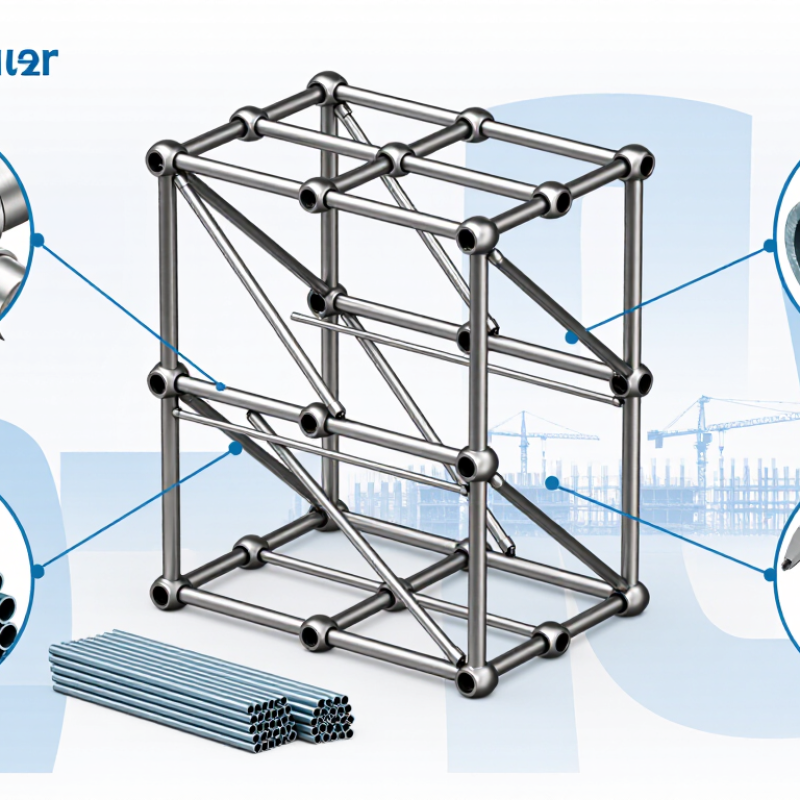
Table of Contents [Hide]
What Is Cuplock Scaffolding and How Does It Work?
What Is the Best Cuplock Scaffolding for 2026?
What Is Cuplock Scaffolding and How Does It Work?
Cuplock scaffolding is a modular system built from vertical standards, horizontal ledgers, and steel locking cups. Each standard has fixed lower cups at set intervals. A ledger’s end blade fits into a cup, then a sliding upper cup secures the connection. One node can hold several ledgers, creating a firm junction without separate nuts and bolts at every connection. That makes assembly straightforward. It still requires trained workers and careful checks.
The system is commonly used for building façades, industrial maintenance, and concrete support. Standards carry loads downward to base plates and firm ground, while ledgers and diagonal braces help resist movement. Working platforms, guardrails, access points, and ties must suit the site and the intended load. Details matter. A damaged cup, uneven base, or missing brace can affect stability, even if the frame looks complete.
Tips: Check that each blade sits fully in its cup and the locking cup is seated securely. Look for bent tubes, worn joints, and loose foundations before use. Keep the structure level as it rises. Do not assume the modular design makes every layout safe; have a competent person assess the setup, load, and site conditions.





