



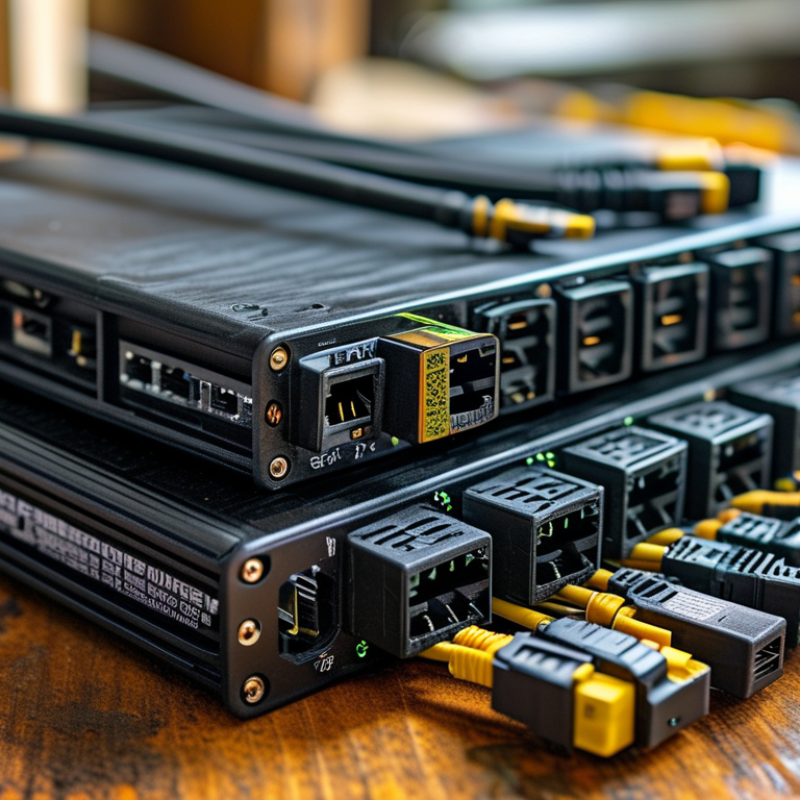
For long-distance links, a Cat5 extender is only as reliable as its installation. I begin by measuring the route, including wall cabinets and service loops. I use solid copper Cat5e or better cable, never mixed conductors or damaged pairs. The cable runs away from fluorescent ballasts, motors, and high-voltage wiring. At each end, I terminate the pairs using the same wiring standard. I check pair order with a certified cable tester before connecting network equipment. Leave ventilation around the extender. Heat matters.
After powering the units, I confirm link indicators at both ends. I test the shortest working path before extending the full route. A laptop and managed switch can record negotiation speed, latency, packet loss, and sustained throughput. I run traffic for at least thirty minutes, then repeat it during heavier network use. A stable link should not show rising errors or repeated renegotiation. Distance claims need context; cable quality, electrical noise, and junctions can reduce results. My early tests looked excellent but failed after temperature changes. That mistake taught me to test longer.
Tips: Label both cable ends and photograph terminations. Keep spare patch leads available. If performance drops, bypass one connector at a time. Test with a known-good device. Do not trust link lights alone. Record cable length, test time, and ambient temperature. These notes make later troubleshooting faster and more defensible.