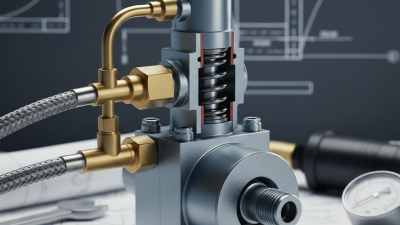
2026 Top Yuken Valve Types for Global Buyers?

The 2026 global valve market will reward buyers who compare operating conditions, not catalog labels. Grand View Research estimates steady growth in the global hydraulic equipment market through 2030, driven by construction, manufacturing, energy, and mobile machinery. MarketsandMarkets also identifies increasing automation and predictive maintenance as major hydraulic-system trends. These shifts make the yuken valve more than a replacement component. It becomes a decision about control accuracy, contamination tolerance, energy use, and service access.

Hydraulic systems punish vague specifications. A compact factory line may need a reliable solenoid-operated directional valve, while a high-load press may require proportional control or a pressure-control valve. Yuken Kogyo’s engineering approach emphasizes matching valve performance with the complete circuit. Fluid-power specialist Eric Lanke has expressed a related principle: “Fluid power delivers value when performance, reliability, and application knowledge work together.” That idea matters for global buyers comparing Yuken valve types across different machines and climates.

A small mistake becomes expensive.

This guide examines directional, pressure, flow-control, proportional, and pilot-operated Yuken valve options for 2026 procurement planning. It considers response time, rated pressure, port size, hydraulic-fluid compatibility, noise, maintenance, and regional support. Data sheets remain essential, but they do not reveal every field problem. Installation quality, oil cleanliness, and replacement availability can change real-world performance. Buyers should question optimistic claims. The “best” valve may still fail when filtration is poor or commissioning is rushed. Our comparison therefore treats application evidence as seriously as laboratory specifications.
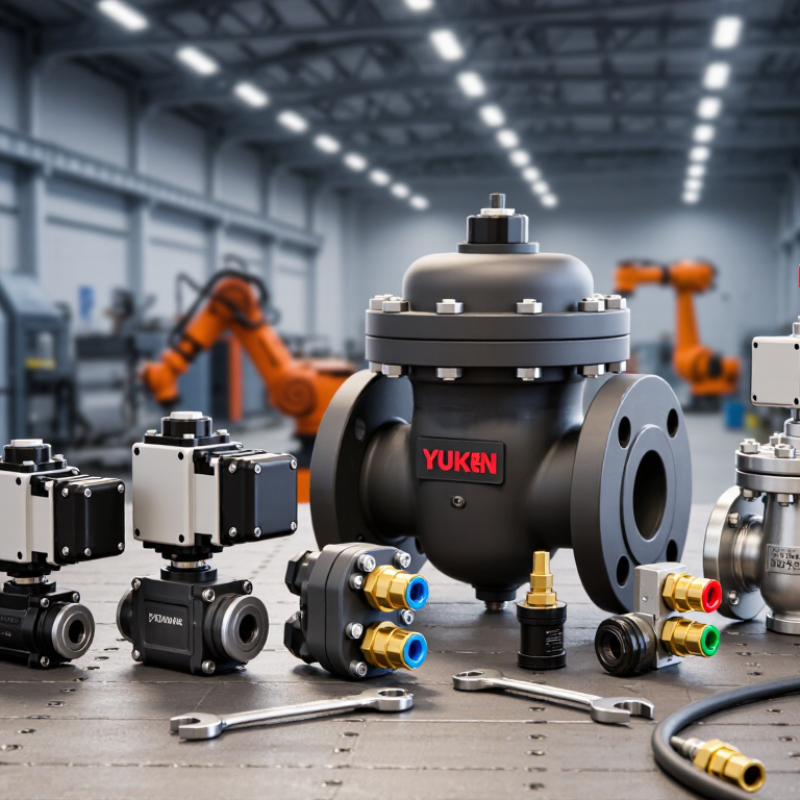
2026 Top Yuken Valve Types for Global Buyers?

Yuken Valve Basics and Their Role in Hydraulic Systems

Hydraulic valves control how pressurized fluid moves through a machine. They direct flow, limit pressure, or adjust actuator speed. In practical systems, a valve acts like a traffic controller for oil. Small spool movement can change cylinder direction within seconds.

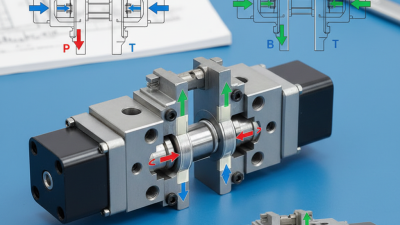
Directional control valves connect the pump, actuator, and return line. Pressure relief valves protect components when resistance rises unexpectedly. Flow control valves regulate movement, helping a cylinder extend smoothly instead of jerking. Check valves allow flow in one direction and prevent reverse movement. Each type has a specific duty. Mixing their functions can create unstable operation.

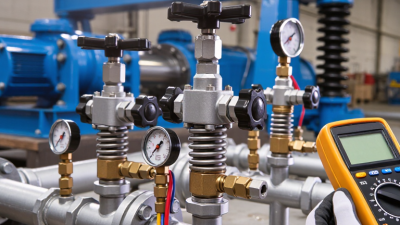
A reliable selection begins with pressure, flow rate, fluid type, port size, and response time. Technicians should compare the valve’s rated pressure with real operating peaks, not only the pump setting. Clean fluid matters greatly; particles can damage precision surfaces and cause internal leakage. Installation should follow recognized hydraulic safety practices, including proper hose routing and pressure isolation. Field inspections often reveal loose fittings or incorrect seals. These details seem minor, but they can stop a production line. Valve sizing is not always perfect on the first attempt. Actual load changes, temperature, and aging seals may require later adjustment. A pressure gauge near the valve helps reveal those changes.

2026 Top Hydraulic Valve Types for Global Buyers

Representative continuous working-pressure ranges commonly used in industrial hydraulic systems. Actual limits depend on valve construction, fluid, temperature, duty cycle, and the manufacturer’s datasheet.

Directional valves control actuator movement, pressure valves protect and regulate circuits, flow-control valves manage speed, check valves prevent reverse flow, and proportional or servo valves provide more precise control.

Main Yuken Valve Types Available to Global Buyers in 2026

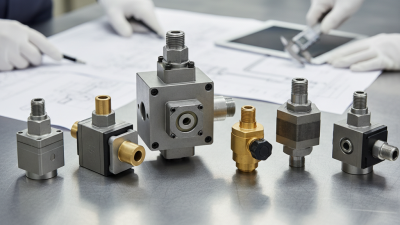
Global buyers can choose several main hydraulic valve types in 2026. Directional control valves manage actuator movement, such as extending or retracting a cylinder. Pressure control valves protect circuits from overload and maintain stable working pressure. Flow control valves regulate actuator speed during lifting, clamping, or positioning tasks.

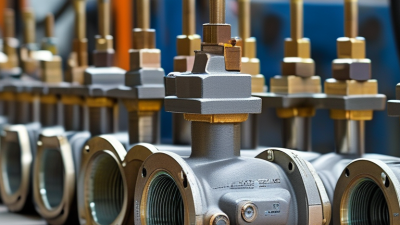
Proportional valves provide adjustable control through electrical signals. They suit machinery requiring smoother speed changes and better repeatability. Servo valves offer finer response, but they demand cleaner oil and stricter maintenance. Check valves prevent reverse flow in compact hydraulic assemblies. Cartridge valves save space inside integrated manifolds and often simplify high-volume machine designs.

Selection should begin with pressure, flow rate, port size, fluid type, and operating temperature. Seal material matters when machines face heat, dust, or long duty cycles. Buyers should request drawings, test reports, installation instructions, and traceable inspection records. Regional electrical standards may also affect solenoid selection. Small details matter.

A valve rated for high pressure may still perform poorly with contaminated fluid. This is often overlooked. I would also question optimistic response-time figures without test conditions. A practical trial should measure leakage, noise, temperature rise, and cycle stability. Keep spare seals available. They are inexpensive insurance during unexpected maintenance.

How Yuken Valves Differ by Function, Pressure, and Control Method

For global buyers, valve selection should begin with function, not catalog shape. Directional valves route fluid, pressure valves limit force, and flow valves regulate actuator speed. A 2024 Grand View Research report estimated the hydraulic valves market at about USD 3.5 billion in 2023. It also projects steady growth through 2030. That growth reflects automation, mobile machinery, and energy-efficiency demands.

Pressure changes the decision. A valve rated for 210 bar may fail under repeated pressure spikes near that limit. Buyers should compare continuous pressure, peak pressure, port size, flow capacity, and fluid temperature. ISO 4413 recommends controlling contamination and verifying safe hydraulic-system design. Control method matters too. Mechanical controls suit simple, low-cost circuits. Solenoid control supports remote switching. Proportional control offers smoother speed and force adjustment. Servo control delivers finer response, but it usually needs cleaner oil and stronger commissioning skills.

Tips: Request a pressure-flow curve, not only a maximum rating. Confirm thread standards and seal materials before ordering. Test the valve with the actual fluid. Small differences matter. A 2023 report from MarketsandMarkets links industrial automation growth with higher demand for precision fluid-power components. However, market forecasts are not engineering proof. I have seen buyers overvalue response speed while ignoring filtration, wiring, and maintenance access. That is an easy mistake. Instrument readings from the real machine should guide the final choice.

Key Selection Factors for Applications, Compatibility, and Compliance

2026 Top Hydraulic Valve Types for Global Buyers

Key Selection Factors for Applications, Compatibility, and Compliance

Hydraulic valve selection should begin with the machine’s real operating conditions. Directional valves suit frequent actuator movement, while relief valves protect circuits from excessive pressure. Flow-control valves help stabilize cylinder speed. Check valves prevent unwanted reverse movement. Small details matter, especially oil viscosity, contamination, temperature, and response time.

The hydraulic valves market was valued at approximately USD 7.8 billion in 2023, according to Fortune Business Insights. Its forecasted growth reflects expanding construction, industrial automation, and mobile equipment demand. However, market growth does not guarantee compatibility. Buyers should verify port size, pressure rating, flow capacity, seal material, mounting pattern, and electrical voltage. A valve that fits mechanically may still fail electrically or hydraulically.

Compliance needs documented evidence. ISO 4413 provides safety principles for hydraulic fluid power systems, while ISO 9001 supports controlled manufacturing processes. For electrical components, IEC 60204-1 may apply to machinery installations. Regional requirements can also differ. Confirm markings, pressure tests, material declarations, and traceability before shipment. Request test reports, not only catalog claims. That takes longer.

Field experience shows that oversized valves often create poor control and unnecessary cost. Undersized valves can generate heat, pressure loss, and premature wear. Buyers sometimes focus too heavily on purchase price. That is a mistake. Application drawings, fluid analysis, and maintenance records offer stronger evidence. Even experienced engineers should recheck assumptions when systems operate in dusty, cold, or high-cycle environments.

Comparing Yuken Valve Types for Performance, Cost, and Maintenance

Hydraulic valve selection should begin with the machine’s real workload, not a catalog ranking. Directional control valves suit frequent cylinder movements and simple circuits. Pressure control valves protect pumps, actuators, and operators from excessive force. Flow control valves regulate speed, but heat can rise when excess flow is throttled.

Performance depends on response time, leakage, contamination tolerance, and pressure stability. Proportional valves offer smoother adjustment than basic on-off designs. They also require cleaner oil, better electrical control, and more careful commissioning. In a dusty workshop, that extra precision may become a maintenance burden. Sometimes, simple wins.

Purchase cost tells only part of the story. A compact modular valve can reduce piping and installation time. However, proprietary interfaces or uncommon seals may increase future expenses. During service work, technicians need clear port markings, accessible adjustment screws, and readily available seal kits. I have seen a low-priced valve cause long downtime because its replacement arrived slowly. The initial saving looked convincing, but the calculation was incomplete.

Global buyers should compare rated pressure, flow capacity, viscosity range, mounting standards, documentation, and tested service life. Ask for performance curves, not vague claims. Check how the valve behaves after repeated cycling. Maintenance teams should also review filtration requirements and spare-part storage. A valve that performs well in a laboratory may respond differently beside a hot pump, vibrating pipe, or contaminated reservoir. Specification sheets help, but field conditions still deserve honest attention.