


- Home
- A-Z Catalogue
- Products
- Valves
- Cetop
- Manual Directional Valves
- Proportional Valves
- Poppet Valves
- High-Speed Linear Servo Valves
- All High-Speed Linear Servo Valves
- Cetop 10 (NG32) Two Stage Type High Speed Linear Servo Valves – LSVHG-10
- Cetop 10 (NG32) Two Stage Type High Speed Linear Servo Valves – LSVHG-10 (With Fail-Safe)
- Cetop 8 (NG25) Two Stage Type High Speed Linear Servo Valves – LSVHG-06
- Cetop 8 (NG25) Two Stage Type High Speed Linear Servo Valves – LSVHG-06 (With Fail-Safe)
- Cetop 7 (NG16) Two Stage Type High Speed Linear Servo Valves – LSVHG-04
- Cetop 7 (NG16) Two Stage Type High Speed Linear Servo Valves – LSVHG-04 (With Fail-Safe)
- Cetop 5 (NG10) Direct Type High Speed Linear Servo Valves – LSVG-03
- Cetop 5 (NG10) OBE Type Direct Operated Linear Servo Valves – LSVG-03-EH
- Cetop 3 (NG6) OBE Type Direct Operated Linear Servo Valves – LSVG-01-EH
- Pumps
- Pressure control
- Flow Control Valves
- Pressure Control Valves
- All Pressure Control Valves
- Brake Valves
- Direct Relief Valve
- Low Noise Solenoid Controlled Relief Valves
- Low Noise Pilot Operated Relief Valves
- Pilot Operated Relief Valves
- Pressure reducing and relieving valves
- Pressure reducing and check valves
- Pressure control valves
- Remote Control Relief Valves
- Solenoid Controlled Relief Valves – BSG
- Solenoid Controlled Relief Valves – BST
- Unloading relief valves
- Check valves
- Environmental
- Valves
- Hydraulic Systems
- Power pack
- About Us
- Contact
- Blog

2026 Top Off Grid Wind Power Inverter Buying Guide?
Choosing an Off Grid Wind Power Inverter is not just a matter of matching watts. The right unit must handle changing turbine output, battery voltage, surge loads, and safe energy diversion when batteries are full. A mismatch can mean unstable charging—or a turbine that lacks a suitable electrical load. Small details matter. Cable length matters, too.
Industry reports offer useful context, but they need careful interpretation. NREL’s 2023 Distributed Wind Market Report recorded about 1,110 megawatts of cumulative distributed wind capacity in the United States through 2022. These systems serve homes, farms, businesses, and other local loads; that figure does not describe off-grid installations alone. IRENA’s Renewable Power Generation Costs in 2023 reported a global weighted-average levelized cost of electricity of about $0.033 per kilowatt-hour for onshore wind. That is a broad generation benchmark, not a promise of household savings or a direct measure of inverter performance.
This guide explains how to compare inverter type, continuous and peak ratings, battery compatibility, wind-controller requirements, and protective features. It also highlights the questions worth asking before purchase: Does the system need a separate charge controller? Can the inverter tolerate the turbine’s output range? Is local technical support available? Specifications can look tidy on a product page. Real wind does not. A careful match starts with the turbine and battery documentation, then checks the inverter against the loads you actually expect to run.
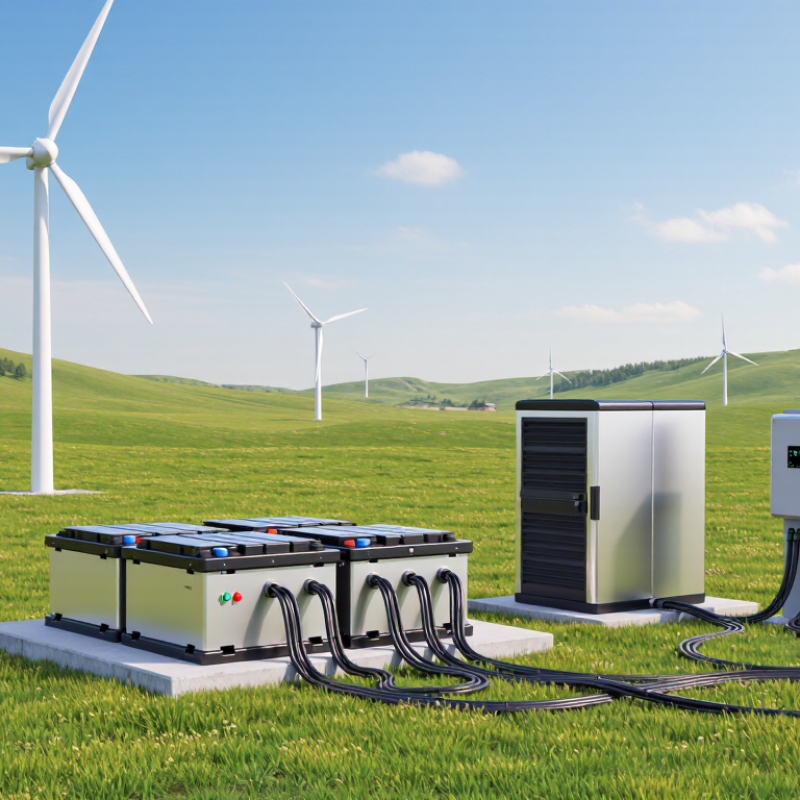
Table of Contents [Hide]
How Off-Grid Wind Power Inverters Convert Turbine Output
2026 Top Off Grid Wind Power Inverter Buying Guide?
How Off-Grid Wind Power Inverters Convert Turbine Output
A wind turbine’s output changes with rotor speed, so its electricity is not automatically ready for household use. In many off-grid systems, a rectifier turns variable-frequency AC into DC. A charge controller then regulates battery charging, while the inverter converts stored DC into steady AC for lights, tools, or a refrigerator. Labels can mislead. Check the inverter’s DC voltage, continuous rating, and surge capacity against the battery bank and real appliance loads.
Some systems also use a diversion load to absorb excess power when batteries are full. This matters because a turbine needs a suitable electrical load; simply disconnecting it may not be safe for the equipment. Match the controller’s operating range to the turbine’s output curve, and confirm whether its tracking controls are designed for wind rather than solar. IRENA’s Renewable Power Generation Costs in 2023 reported a global weighted-average cost of USD 0.033 per kWh for new onshore wind. That is a utility-scale benchmark, not a promise of home-system savings.
Tips: Test the setup with a multimeter during changing wind. Note battery voltage, controller behavior, and inverter alarms. Real wind is messy; one calm afternoon proves little.





