


- Home
- A-Z Catalogue
- Products
- Valves
- Cetop
- Manual Directional Valves
- Proportional Valves
- Poppet Valves
- High-Speed Linear Servo Valves
- All High-Speed Linear Servo Valves
- Cetop 10 (NG32) Two Stage Type High Speed Linear Servo Valves – LSVHG-10
- Cetop 10 (NG32) Two Stage Type High Speed Linear Servo Valves – LSVHG-10 (With Fail-Safe)
- Cetop 8 (NG25) Two Stage Type High Speed Linear Servo Valves – LSVHG-06
- Cetop 8 (NG25) Two Stage Type High Speed Linear Servo Valves – LSVHG-06 (With Fail-Safe)
- Cetop 7 (NG16) Two Stage Type High Speed Linear Servo Valves – LSVHG-04
- Cetop 7 (NG16) Two Stage Type High Speed Linear Servo Valves – LSVHG-04 (With Fail-Safe)
- Cetop 5 (NG10) Direct Type High Speed Linear Servo Valves – LSVG-03
- Cetop 5 (NG10) OBE Type Direct Operated Linear Servo Valves – LSVG-03-EH
- Cetop 3 (NG6) OBE Type Direct Operated Linear Servo Valves – LSVG-01-EH
- Pumps
- Pressure control
- Flow Control Valves
- Pressure Control Valves
- All Pressure Control Valves
- Brake Valves
- Direct Relief Valve
- Low Noise Solenoid Controlled Relief Valves
- Low Noise Pilot Operated Relief Valves
- Pilot Operated Relief Valves
- Pressure reducing and relieving valves
- Pressure reducing and check valves
- Pressure control valves
- Remote Control Relief Valves
- Solenoid Controlled Relief Valves – BSG
- Solenoid Controlled Relief Valves – BST
- Unloading relief valves
- Check valves
- Environmental
- Valves
- Hydraulic Systems
- Power pack
- About Us
- Contact
- Blog

2026 Best Hydrogen Gas Plant Suppliers for Global Buyers?
Choosing the right Hydrogen Gas Plant supplier in 2026 requires more than comparing price lists or polished factory videos. Global buyers need evidence of engineering depth, operating experience, transparent testing, and dependable after-sales support. Hydrogen projects involve high-pressure systems, purification units, compressors, storage interfaces, water treatment, and control software. One weak link can reduce output, increase maintenance, or delay commissioning.
Fatih Birol, Executive Director of the International Energy Agency, observed, “Hydrogen is currently enjoying unprecedented political and business momentum, with the number of policies and projects around the world expanding rapidly.” That momentum makes supplier selection more important, not easier. A credible manufacturer should explain feedstock quality, production capacity, energy consumption, safety design, delivery scope, and expected performance under local conditions. References from comparable installations matter. So do factory acceptance tests, documentation quality, operator training, and realistic warranty terms.
This guide compares leading Hydrogen Gas Plant suppliers for global buyers, focusing on technical capability, project execution, customization, service networks, and long-term value. Some rankings remain imperfect. Public data can be incomplete, and supplier claims may not reflect field performance. Buyers should verify certifications, inspect manufacturing processes, and request independent performance evidence before signing. Look beyond the brochure. A reliable partner discusses limitations openly, including water availability, renewable power variability, spare-parts access, and grid conditions. The strongest supplier is not always the largest. It is the one that can deliver safely, consistently, and transparently from design review to daily operation.
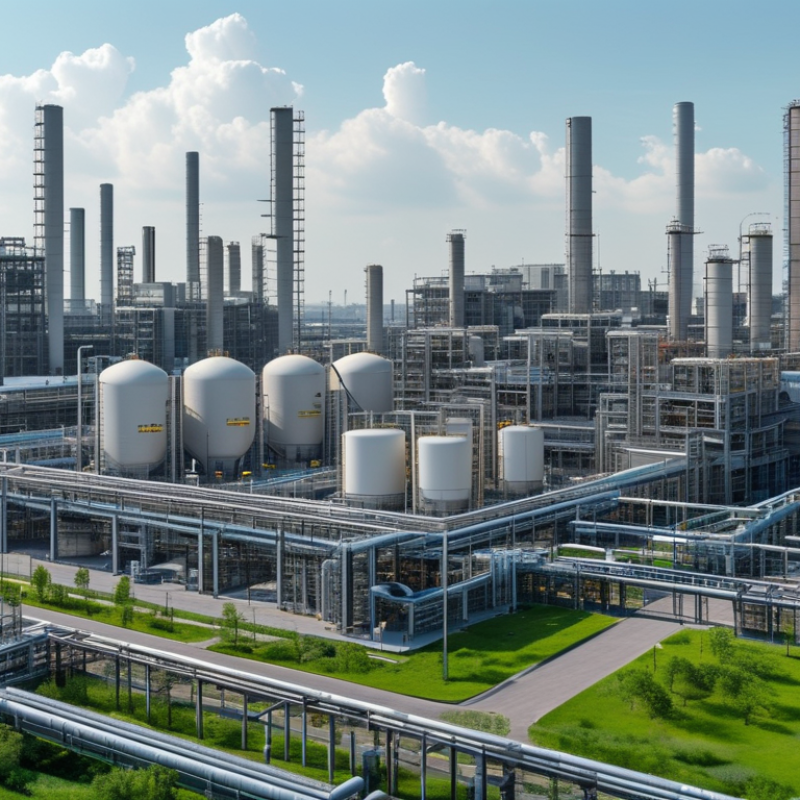
Table of Contents [Hide]
Understanding Hydrogen Gas Plants and Their Core Technologies
Hydrogen gas plants convert energy and feedstock into usable hydrogen through several connected systems. The main routes are electrolysis, natural gas reforming, and biomass-based processing. Electrolysis splits treated water with electricity, while reforming uses heat to release hydrogen from hydrocarbons. Each route has different emissions, water, and operating requirements.
Core equipment includes feedwater treatment, electrolyzers or reformers, gas separation units, dryers, compressors, and storage vessels. Purification matters because fuel-cell applications require extremely clean hydrogen. Pressure swing adsorption can remove unwanted gases, while membrane systems may provide additional polishing. Compression then raises the gas pressure for transport or dispensing. Small leaks can become serious hazards.
Safety design must cover ventilation, leak detection, electrical classification, pressure relief, and emergency shutdowns. Experienced suppliers should provide process data, maintenance plans, factory testing, and realistic production guarantees. Buyers also need to examine local water quality, renewable power reliability, grid limits, and workforce skills. A plant that performs well in one region may struggle elsewhere.
The difficult part is integration. Electrolysis looks simple on paper. It is not. Variable renewable power can increase equipment cycling and reduce output stability. Reforming may offer steadier production, but carbon management changes the project’s cost and complexity. I would request measured performance data, not only design estimates. Some specifications remain optimistic, especially under dusty, hot, or humid conditions. Careful pilot testing can expose those weaknesses before full-scale construction.