


- Home
- A-Z Catalogue
- Products
- Valves
- Cetop
- Manual Directional Valves
- Proportional Valves
- Poppet Valves
- High-Speed Linear Servo Valves
- All High-Speed Linear Servo Valves
- Cetop 10 (NG32) Two Stage Type High Speed Linear Servo Valves – LSVHG-10
- Cetop 10 (NG32) Two Stage Type High Speed Linear Servo Valves – LSVHG-10 (With Fail-Safe)
- Cetop 8 (NG25) Two Stage Type High Speed Linear Servo Valves – LSVHG-06
- Cetop 8 (NG25) Two Stage Type High Speed Linear Servo Valves – LSVHG-06 (With Fail-Safe)
- Cetop 7 (NG16) Two Stage Type High Speed Linear Servo Valves – LSVHG-04
- Cetop 7 (NG16) Two Stage Type High Speed Linear Servo Valves – LSVHG-04 (With Fail-Safe)
- Cetop 5 (NG10) Direct Type High Speed Linear Servo Valves – LSVG-03
- Cetop 5 (NG10) OBE Type Direct Operated Linear Servo Valves – LSVG-03-EH
- Cetop 3 (NG6) OBE Type Direct Operated Linear Servo Valves – LSVG-01-EH
- Pumps
- Pressure control
- Flow Control Valves
- Pressure Control Valves
- All Pressure Control Valves
- Brake Valves
- Direct Relief Valve
- Low Noise Solenoid Controlled Relief Valves
- Low Noise Pilot Operated Relief Valves
- Pilot Operated Relief Valves
- Pressure reducing and relieving valves
- Pressure reducing and check valves
- Pressure control valves
- Remote Control Relief Valves
- Solenoid Controlled Relief Valves – BSG
- Solenoid Controlled Relief Valves – BST
- Unloading relief valves
- Check valves
- Environmental
- Valves
- Hydraulic Systems
- Power pack
- About Us
- Contact
- Blog

2025 Top Hydraulic Directional Valve Applications and Important Features to Know
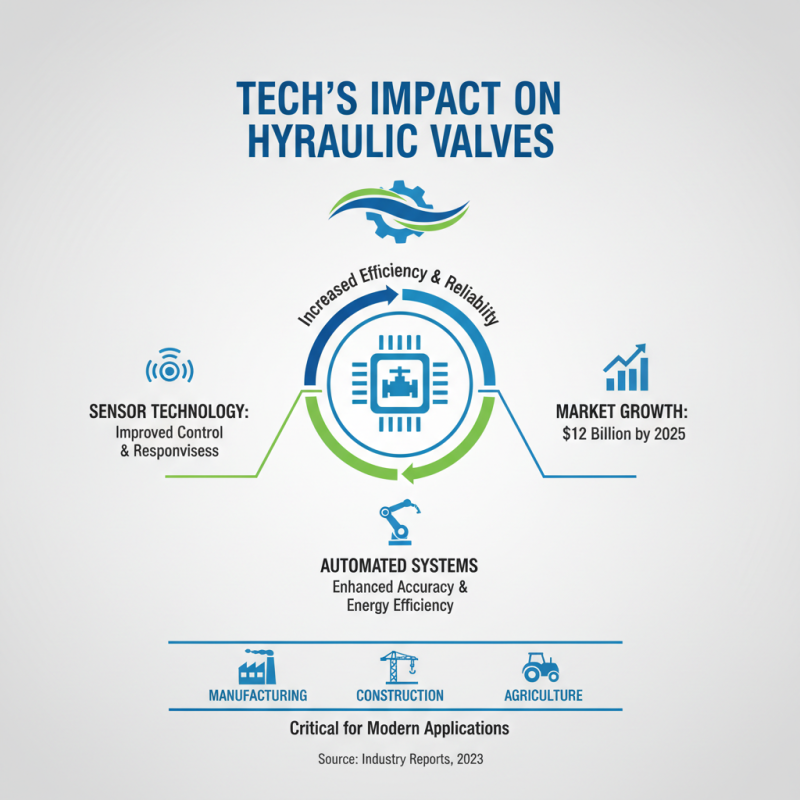
In the world of hydraulic systems, the hydraulic directional valve plays a crucial role in controlling the flow and direction of hydraulic fluid, ultimately influencing the performance and efficiency of various applications. As noted by industry expert Dr. Emily Carter, "The hydraulic directional valve is the heart of any hydraulic system, enabling precise control and enhancing overall functionality." This sentiment resonates deeply within many sectors, including manufacturing, construction, and agriculture, where these valves are pivotal for achieving optimal performance.
As we look towards 2025, understanding the important features and applications of hydraulic directional valves is essential for engineers, designers, and technicians. The development of advanced technologies and the increasing demand for automation in hydraulic systems have made it imperative to keep abreast of trends that govern these components. From load-holding capabilities to rapid response times, the innovations surrounding hydraulic directional valves are shaping the future of hydraulic systems. This outline will explore key applications and critical features that professionals need to consider when integrating these vital components into their systems.
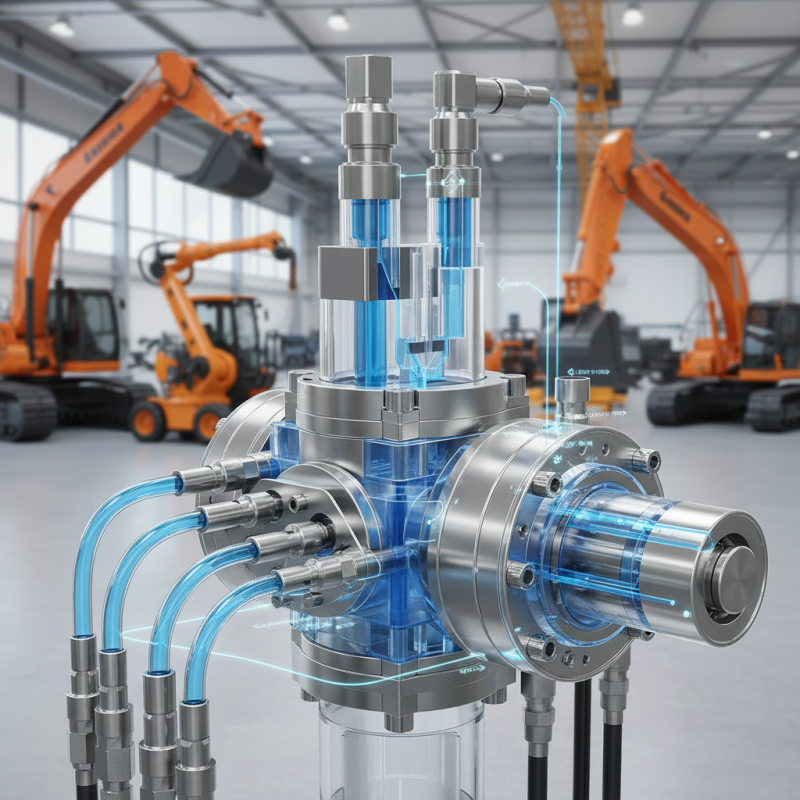
Table of Contents
[Hide]
Top Applications of Hydraulic Directional Valves in 2025
Hydraulic directional valves are crucial components within various industrial applications, serving to control the flow of hydraulic fluids and thus manage the operation of hydraulic systems. In 2025, the top applications of these valves are expected to span across sectors such as construction machinery, agricultural equipment, and automotive technologies. In the construction industry, hydraulic directional valves play a key role in the operation of heavy machinery like excavators and bulldozers, enabling precise control over various hydraulic functions such as lifting and digging.
In addition to construction, agricultural machinery increasingly relies on hydraulic directional valves for efficient operation. These valves enhance the performance of tractors and harvesters by allowing for smoother transitions between different hydraulic functions, which is essential for tasks ranging from plowing to harvesting. Furthermore, in the automotive sector, the utilization of hydraulic systems in vehicle applications emphasizes the importance of directional valves in ensuring safe and reliable operation of features like braking systems and adjustable suspensions. The versatility and adaptability of hydraulic directional valves make them vital across multiple industries, enabling engineers and operators to optimize equipment performance and improve overall efficiency in 2025.

Related Posts
-

Exploring the Benefits of Advanced Hydraulic Directional Valves for Efficient Fluid Control
-

Exploring the Benefits of Yuken Directional Valves for Enhanced Hydraulic Performance
-
Understanding the Role of Hydraulic Valves in Modern Industrial Applications
-
Understanding the Importance of Hydraulic Pressure Control Valves in Modern Industrial Applications
-
Why Hydraulic Flow Control Valves are Essential for Optimizing System Performance: Insights and Data
-
How to Choose the Right Directional Control Valve for Your Project